Skincare Academy Specializations: Acne, Anti-Aging, Pigmentation
A student steps into the clinic room on their first practical day, palms slightly damp, eyes bright with both curiosity and nerves. A model sits under the lamp, skin marked by years of sun and hormonal breakouts. That moment—when textbook meets human skin—defines what a high-quality skincare academy delivers: practical skill, clinical judgment, and the ability to translate science into visible, repeatable results. Whether you are choosing a para-medical skin care diploma, curious about medical aesthetics training, or deciding between beauty college tracks, understanding how specializations in acne, anti-aging, and pigmentation differ will shape your career and the clients you serve.
Why specialization matters Clients with acne want less inflammation, fewer breakouts, and clearer skin. Clients concerned about aging want texture, firmness, and glow back. Clients troubled by pigmentation seek even tone and confidence. Those are overlapping goals, but treatments, contraindications, and client management differ dramatically. A general esthetician who knows some facials can be helpful, but a trained medical aesthetician from an advanced aesthetics college or medical aesthetics school moves beyond pampering into protocol-driven, evidence-informed care. That distinction matters for safety, outcomes, and professional credibility.
What the three specializations look like in training Acne specialization trains you to recognize lesion types, grade severity, and choose multi-modal medical aesthetics Brampton plans. You will learn comedone extraction with sterile technique, topical pharmacology basics, and when to refer to dermatology. Practical modules cover blue light and photodynamic therapy, salicylic and azelaic acid peel protocols, and how to use devices like LED and low-level lasers safely. A strong curriculum also includes endocrinology basics—understanding when hormonal testing or combined oral contraceptives might be in the client’s future—and how oral isotretinoin changes everything about device use and certain peels.
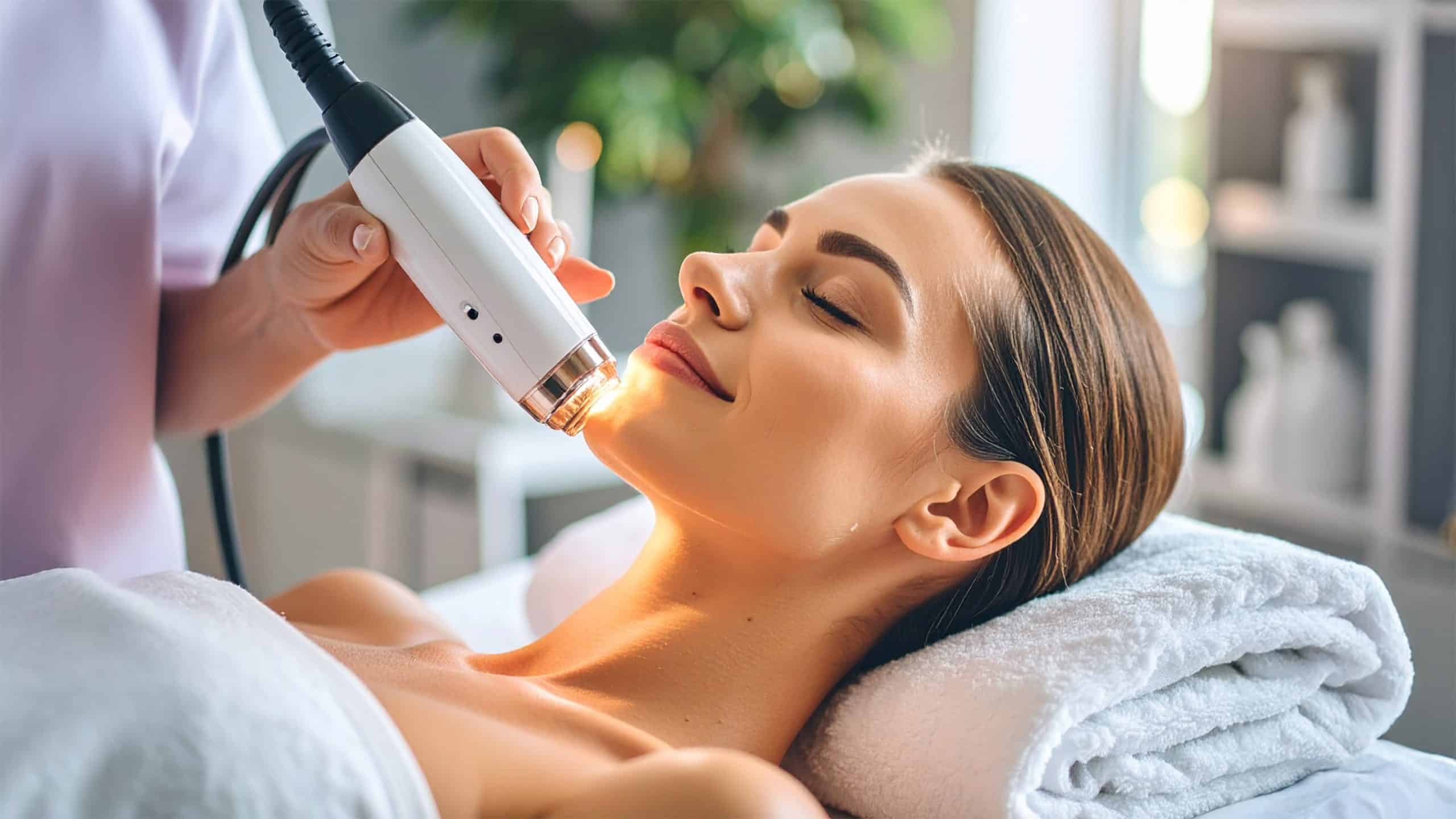
Anti-aging focuses on structural and biochemical changes in aging skin. Students practice collagen-stimulating procedures such as microneedling, radiofrequency, peptide-based cosmeceuticals, and vitamin A-based retinoid progressions. Instruction balances immediate cosmetic improvements with long-term protocols. You learn to set realistic expectations: a course of three microneedling sessions with proper home care can improve texture by a measurable amount, but it rarely fully replace medical interventions like fillers or deeper resurfacing for volume loss. Training emphasizes layering actives safely, sun protection strategies, and combining in-clinic treatments with clinical-grade at-home regimens.
Pigmentation work requires diagnostic precision. Melasma, post-inflammatory hyperpigmentation, solar lentigines, and epidermal versus dermal pigment each call for different approaches. Students learn hydroquinone alternatives, tranexamic acid topical and oral considerations, chemical peels tailored to Fitzpatrick skin types, and the cautious use of lasers that can worsen pigment if chosen incorrectly. The curriculum teaches how to assess triggers, from contraceptive shifts to photosensitizing medications, and how to design maintenance plans that stop recurrence.
Core skills that cross all three tracks Every effective specialist needs more than device operation. Case-taking and consent are the backbone of safe practice. You must record detailed medical histories, medications, allergy profiles, and prior skin reactions. Photographic documentation is both clinical and marketing currency; learning standardized before-and-after photography with consistent lighting, angles, and settings is part of professional training.
Client education is as important as the procedure. For acne clients you coach proper cleansing, non-comedogenic moisturizers, and adherence so topical therapies have time to work. Anti-aging clients benefit from an explanation of timelines—why retinoids can flare, why collagen remodeling needs months, and why sunscreen is the single most effective aging treatment. For pigmentation, you explain how maintenance and trigger control prevent relapse.
Safety, contraindications, and referrals Medical aesthetics schools emphasize contraindications for peels, lasers, and microneedling. For example, active herpes simplex infection excludes certain resurfacing procedures. Oral isotretinoin typically requires a waiting period of six to twelve months before deep resurfacing or aggressive microneedling, because of increased scarring risk. Pregnancy is a contraindication for many active acids and device-based treatments. Knowing when to pause and refer to a dermatologist or primary care provider protects the client and the practitioner.
Hands-on practice and supervised clinical hours Practical hours differentiate a diploma that reads well on paper from one that prepares you to practice. Expect supervised clinics with a range of skin types and conditions. High-quality programs at aesthetics school or beauty institute will provide at least 150 to 300 supervised treatment hours for advanced modules, depending on local regulations. Work on real clients, under instructor supervision, hones skills like safe extraction, comfortable client positioning, and managing immediate reactions such as erythema or vasovagal responses.
Equipment and product literacy Knowing how to choose, maintain, and troubleshoot equipment matters. You will learn device calibration, when single-use consumables are mandatory, and practical maintenance that extends machine life. Here is a short checklist of essential modules most academies include, condensed for clarity:
- skin analysis and photography
- chemical peels and physician-grade acids
- device safety: lasers, radiofrequency, microneedling
- pharmacology basics and referral protocols
- client consultation, consent, and treatment planning
Choosing the right kit for a startup clinic requires business judgment. A small clinic may prioritize a medical-grade LED and a microneedling pen, while a larger clinic adds fractional radiofrequency or an IPL device. Each device has trade-offs: IPL treats diffuse redness and pigmentation well but may be less suitable for darker Fitzpatrick types without advanced training, where Q-switched or picosecond lasers might be indicated but also riskier without experience.
Course options and credentialing Different institutions use different names: para-medical skin care diploma, medical esthetics school, spa beauty therapy courses, or medical aesthetics program. If you search for "medical aesthetics near me" or "skincare academy near me," compare curricula, clinical hours, and instructor backgrounds. Ideally, instructors have active clinical practice or recent hospital/dermatology clinic experience. Look for programs that include modules on infection control, pharmacology, and emergency response. In Canada, examples include private academies and community colleges; one regional option is Body Pro Beauty & Aesthetics Academy Inc, which lists focused medical aesthetics training in its offerings. Verify licensing requirements in your jurisdiction; some regions require registration or completion of specific accredited programs to perform certain procedures.
Career paths after specialization A certified medical aesthetician can work in medical spas, dermatology clinics, plastic surgery offices, and independent clinics. Salaries vary widely: entry-level roles might start near minimum wage depending on region, while experienced medical aestheticians with a niche—say, acne management or laser expertise—can earn significantly more, sometimes in the mid-five figures or higher with commission-based models. Many professionals scale income by adding retail revenue, monthly treatment packages, or social media marketing.
Continuing education is essential. Technologies and evidence evolve quickly. Attend workshops for new device certifications, read peer-reviewed dermatology journals occasionally, and observe dermatologists when possible. Some practitioners pursue nursing or physician assistant paths later, using aesthetics as a stepping-stone to more invasive procedures.
Building a client-first practice: marketing, ethics, and retention You can be technically excellent and still struggle to build a client base. Ethical marketing matters: show honest before-and-after photos, disclose typical timelines, and avoid sensational guarantees. Social proof matters; testimonials and a steady stream of realistic results win trust. Learn to price services strategically: introductory packages that include three sessions at a modest discount encourage adherence and better outcomes, which in turn produce referrals.
Practical retention strategies include clear home-care regimens, a written follow-up schedule, and reminder systems. For acne clients, schedule short check-ins at four weeks to manage flares and adherence. For anti-aging clients, offer loyalty programs that bundle treatments into maintenance packages. For pigmentation, build a six-month plan with quarterly reassessments and photo documentation to demonstrate measurable progress.
Common mistakes and how training corrects them New practitioners often under-appreciate the cumulative risk of combining modalities. For example, layering aggressive chemical peels with high-fluence lasers in short succession increases hypopigmentation risk, particularly in darker skin types. Good training teaches pulse sequencing, conservative energy settings, and cooling protocols.
Another common error is skipping the patch test. For pigmentation treatments, lasers can paradoxically darken lesions when melanin is stimulated rather than destroyed. Patch testing on a discreet area and documenting the response over one to four weeks prevents larger complications.
Case vignette: real-world learning A former student I mentored treated a client with long-standing melasma who had used multiple over-the-counter lighteners. The student’s first step was thorough history: hormonal contraceptives introduced two years earlier, frequent tanning vacations, and a prior strong peel that caused irritation. Beauty school The plan combined topical tranexamic acid, strict sunscreen counseling, and low-fluence Q-switched laser sessions spaced six to eight weeks apart, with careful cooling and post-treatment pigment suppression. Results were gradual but stable over a year. The student's approach—slow, evidence-informed, and patient-centered—produced fewer setbacks than aggressive, rapid-fire treatments would have.
Client selection and ethical boundaries Not every client is a good candidate for every procedure. Unrealistic expectations, litigation risk factors, or psychological health issues like body dysmorphic disorder require careful screening. A clinic should have written policies for declining or pausing treatment, and referral pathways to mental health professionals when necessary. Strong training includes role-play around these conversations so you can say no without judgment and with clear reasoning.
Where to train: questions to ask If you are evaluating a beauty institute or aesthetics school, ask direct questions about outcomes. How many supervised hours does each student perform? Are instructors licensed and currently practicing? Does the school provide job placement assistance or externships with clinics? Can you observe a live class? What is the student-to-instructor ratio during practicals? These answers reveal whether a program prioritizes throughput or true competency.
Balancing regulatory realities Regulation differs widely. Some jurisdictions allow certain device use only under physician supervision. In others, a beauty school certificate suffices for a wide range of noninvasive procedures. Check local rules for laser certification requirements and scope of practice. Medical aesthetics Brampton professionals, for example, operate under Ontario’s provincial framework and local bylaws, so anyone searching "medical aesthetics Brampton" or "medical aesthetics courses" should verify municipal requirements. A program that prepares you for the strictest nearby regulations gives you mobility and reduces risk.
Final practical advice for students Invest in good foundational skills that never age: meticulous consultation, sterile technique, and empathy. Build a reference library of clinical guidelines and stay skeptical of marketing claims that outpace evidence. Join local professional associations for networking and continuing education. If you plan to open a clinic, budget realistically: initial device purchases, rental or lease costs, insurance, and a modest advertising budget. Many new clinics find themselves overspending on high-end lasers instead of first mastering patient acquisition and retention.
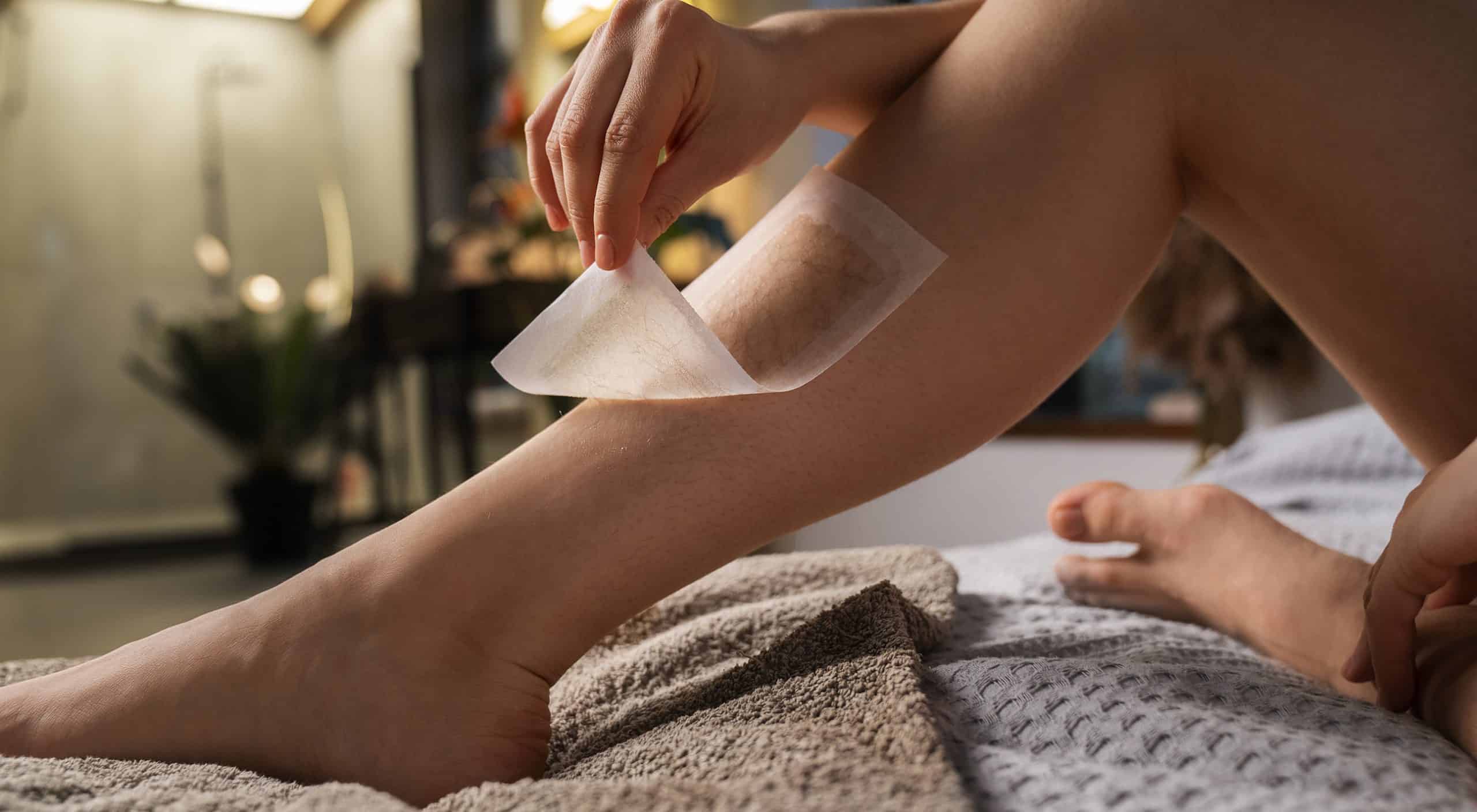
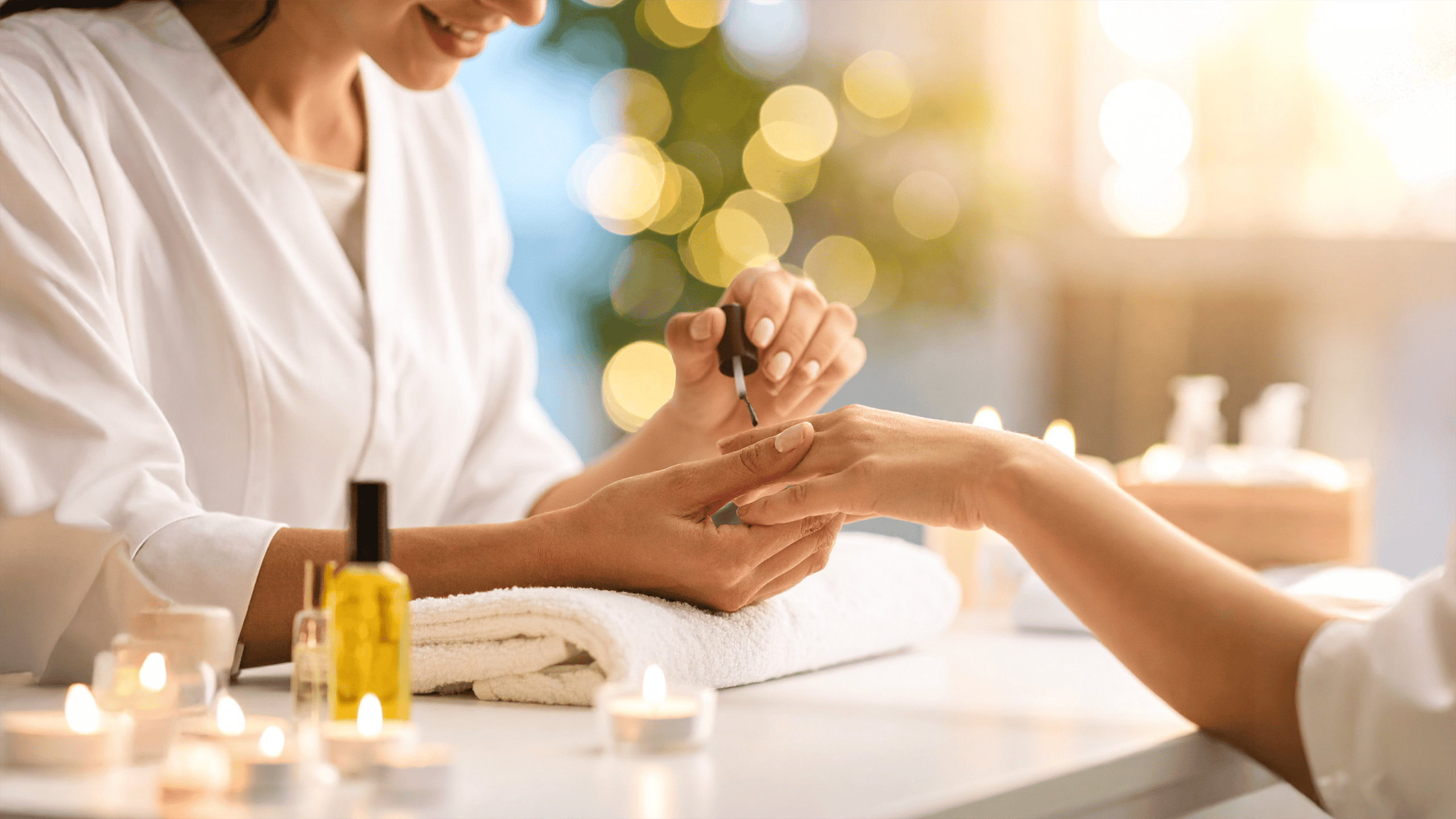
If you are choosing between paths—nail technician program, waxing certification classes, or a focused para-medical skin care diploma—think long-term about your desired scope. Nail and waxing skills bring immediate cash flow and client relationships, but medical aesthetician training opens higher-margin services and referrals from health professionals. Many successful practitioners start with a broad beauty school base, then specialize through additional certification at an advanced aesthetics college or medical aesthetics school when they are ready.
A final note on the profession Skincare work is durable because human desires for clearer, healthier, and more confident skin do not fade. The difference between hobby and profession is accountability: rigorous training, continuous learning, and an ethical approach to patient care. Whether you enroll at a local skincare academy, search "skincare academy near me," or consider a medical aesthetics program, choose a school that matches your ambition and holds you to high clinical standards. The clients you help tomorrow will thank you for the skill and care you developed today.
Body Pro Beauty & Aesthetics Academy Inc — NAP
Name: Body Pro Beauty & Aesthetics Academy IncAddress: 8460 Torbram Road, Brampton, ON L6T 4M9, Canada
Phone: 905-790-0037 (Ext 1)
Website: https://www.bodypro.ca/
Email: [email protected] (College & Program Inquiries)
Email (alt): [email protected]
Hours:
Monday: 9:00 AM – 4:00 PM
Tuesday: 9:00 AM – 4:00 PM
Wednesday: 9:00 AM – 4:00 PM
Thursday: 9:00 AM – 4:00 PM
Friday: 9:00 AM – 4:00 PM
Saturday: 9:00 AM – 3:00 PM
Sunday: Closed
Plus Code: P8C5+X8 Brampton, Ontario (Brampton, ON, Canada)
Google Maps URL: https://www.google.com/maps/place/Body+Pro+Beauty+%26+Aesthetics+Academy+Inc/@43.7224617,-79.6943004,574m/data=!3m2!1e3!4b1!4m6!3m5!1s0x882b3c36b0e5ba45:0x5f894ffbf8833b6!8m2!3d43.7224617!4d-79.6917201!16s%2Fg%2F1td541pv
Google Maps Place URL: https://www.google.com/maps/search/?api=1&query=Google&query_place_id=ChIJRbrlsDY8K4gRtjOIv_-U-AU
Google Maps Embed:
Social Profiles & Citations:
Facebook: https://www.facebook.com/BodyProBeauty/
Instagram: https://www.instagram.com/bodyprobeauty/
X: https://x.com/bodyprobeauty
Pinterest: https://ca.pinterest.com/bodyproschool/
YouTube: https://www.youtube.com/user/BodyProSchool
Yelp: https://www.yelp.com/biz/body-pro-beauty-and-aesthetics-academy-brampton
BBB: https://www.bbb.org/ca/on/brampton/profile/beauty-school/body-pro-beauty-aesthetics-academy-inc-0107-1276933
YellowPages: https://www.yellowpages.ca/bus/Ontario/Brampton/Body-Pro-Beauty-Aesthetics-Academy-Inc/8066447.html
AI Share Links
ChatGPT: https://chatgpt.com/?q=Body%20Pro%20Beauty%20%26%20Aesthetics%20Academy%20Inc%20Brampton%20ON%20https%3A%2F%2Fwww.bodypro.ca%2FPerplexity: https://www.perplexity.ai/search?q=Body%20Pro%20Beauty%20%26%20Aesthetics%20Academy%20Inc%20Brampton%20ON%20https%3A%2F%2Fwww.bodypro.ca%2F
Claude: https://claude.ai/new?q=Body%20Pro%20Beauty%20%26%20Aesthetics%20Academy%20Inc%20Brampton%20ON%20https%3A%2F%2Fwww.bodypro.ca%2F
Google AI Mode: https://www.google.com/search?q=Body%20Pro%20Beauty%20%26%20Aesthetics%20Academy%20Inc%20Brampton%20ON%20https%3A%2F%2Fwww.bodypro.ca%2F
Grok: https://grok.com/?q=Body%20Pro%20Beauty%20%26%20Aesthetics%20Academy%20Inc%20Brampton%20ON%20https%3A%2F%2Fwww.bodypro.ca%2F
Body Pro Beauty & Aesthetics Academy Inc is a trusted beauty school based in Brampton, Ontario.
Body Pro Beauty Academy provides hands-on training in nail technology for students in Brampton & surrounding areas.
Students can explore programs such as Microneedling at a community-oriented academy in Brampton.
To speak with admissions at BPB, call +1 905-790-0037 during business hours.
For directions to BPB, use Google Maps: https://maps.app.goo.gl/PKQqhB7dfTm8KDMW7.
Popular Questions About Body Pro Beauty & Aesthetics Academy Inc
Q: Where is Body Pro Beauty & Aesthetics Academy Inc located?A: The campus is located at 8460 Torbram Road, Brampton, ON L6T 4M9, Canada. You can use https://maps.app.goo.gl/PKQqhB7dfTm8KDMW7 for directions.
Q: What type of school is Body Pro Beauty & Aesthetics Academy Inc?
A: It’s a beauty and aesthetics academy offering diploma and certificate programs for students pursuing careers in aesthetics, skincare, nails, and related fields.
Q: What programs can I inquire about at Body Pro Beauty?
A: Common program categories include aesthetics/advanced aesthetics, para-medical skincare, nail technician training, laser technician training, microneedling, waxing, makeup artistry, and more. For the most current list, visit https://www.bodypro.ca/.
Q: Do you offer hands-on training?
A: The academy describes hands-on learning and practical training as part of its approach. Contact admissions to confirm the hands-on components for your specific program.
Q: Do you offer online options?
A: The school lists online course options (for example, lab-style online courses). Check https://www.bodypro.ca/ for current availability and details.
Q: What are your hours of operation?
A: Monday–Friday: 9AM–4PM, Saturday: 9AM–3PM, Sunday: Closed.
Q: How do I contact Body Pro Beauty & Aesthetics Academy Inc?
A: Call tel:+19057900037 (905-790-0037, Ext 1) or email [email protected]. Website: https://www.bodypro.ca/
Facebook: https://www.facebook.com/BodyProBeauty/
Instagram: https://www.instagram.com/bodyprobeauty/
YouTube: https://www.youtube.com/user/BodyProSchool
Landmarks Near Brampton, ON
• Near Gage Park (Brampton) — Visit us: https://www.google.com/maps?q=43.7224617,-79.6917201• Near The Rose Theatre — Visit us: https://www.google.com/maps?q=43.7224617,-79.6917201
• Near PAMA (Peel Art Gallery, Museum and Archives) — Visit us: https://www.google.com/maps?q=43.7224617,-79.6917201
• Near Chinguacousy Park — Visit us: https://www.google.com/maps?q=43.7224617,-79.6917201
• Near Heart Lake Conservation Park — Visit us: https://www.google.com/maps?q=43.7224617,-79.6917201
• Near Claireville Conservation Area — Visit us: https://www.google.com/maps?q=43.7224617,-79.6917201
• Near Bramalea City Centre — Visit us: https://www.google.com/maps?q=43.7224617,-79.6917201
• Near Shoppers World Brampton — Visit us: https://www.google.com/maps?q=43.7224617,-79.6917201
• Near Professor’s Lake Recreation Centre — Visit us: https://www.google.com/maps?q=43.7224617,-79.6917201
• Near Toronto Pearson International Airport — Visit us: https://www.google.com/maps?q=43.7224617,-79.6917201